Brand Activation Marketing
What is brand activation marketing?
Brand activation marketing is a campaign or event designed to create awareness and build lasting connections with target audiences through direct, interactive experiences rather than passive message consumption. This marketing strategy transforms brand messaging into immersive touchpoints where consumers physically interact with brands through pop-up experiences, mobile tours, product demonstrations, and custom experience kits that extend beyond traditional media channels.
The core difference between brand activation and conventional advertising lies in the participation model. Traditional advertising broadcasts messages through media channels and expects audiences to observe passively. Brand activations invite consumers to interact directly with products and services and create emotional connections through hands-on interaction. Pop-up experiences convert blank spaces into branded destinations where discovery occurs through tangible engagement, while mobile tours bring interactive brand stories directly to consumers.
Brand activation includes three fundamental elements that define its structure and purpose. Campaigns operate as specific, time-bound initiatives rather than ongoing branding processes. Audiences interact directly with brands through interactive formats that need participation. The focus centers on lasting emotional resonance instead of fleeting impressions or transactional relationships.
The psychological foundation of brand activations stems from multi-sensory environments that activate emotional processing and long-term memory formation. Activations that engage sight, sound, touch, and participation simultaneously create stronger brand associations than single-channel communications. So people remember experiences more vividly than content they read or watch passively. This experiential approach creates both immediate emotional impact and extended digital amplification when participants share their experiences through social channels.
Brand activation formats span both physical and digital realms. Experiential events include installations and brand takeovers on social platforms. Product sampling programs offer trial opportunities with strategic twists. Interactive experiences incorporate quizzes, games, and choose-your-own-adventure narratives. Digital activations use augmented reality and virtual reality to create immersive online campaigns that serve the dual purpose of creating high-value marketing qualified leads while raising brand awareness. These digital initiatives involve microtargeting highest-value prospects, driving them inbound through search and social channels, and nurturing them through top-of-funnel conversion paths.
Types of brand activation marketing
Multiple activation formats enable brands to connect with audiences through distinct strategic approaches. Each serves specific campaign objectives and engagement models.
Experiential marketing campaigns
Experiential marketing creates immersive, multi-sensory experiences that allow consumers to interact with brands in tangible, memorable environments. These campaigns extend beyond product promotion to cover brand values and emotional messaging through physical spaces. Pop-up installations transform temporary retail locations into destination experiences. Mobile tours bring consistent brand environments to multiple markets through custom vehicles. Interactive product demonstrations allow attendees to test functionality under optimal conditions with professional guidance. Direct engagement generates excitement and increases consumer confidence.
Sampling and trial programs
Sampling programs distribute product samples to consumers through strategic channels and offer hands-on opportunities to experience brand offerings firsthand. These activations employ two methodologies: wet sampling provides immediate trial experiences under optimal conditions, while dry sampling delivers take-home quantities for extended evaluation periods. Product sampling drives trial, sparks conversation and creates memorable moments that extend brand stories beyond the points where distribution happens. Strategic sampling programs achieve conversion rates between 15% and 40% when executed with proper targeting and follow-up mechanisms [1].
Event-based activations
Event-based activations position brands within existing gatherings where target audiences congregate. Distribution occurs at festivals, concerts, trade shows, sporting events and venue-based locations including gyms, offices and specialty retail environments. These high-traffic settings provide captive audiences in high-energy environments that make social amplification easier and create immediate brand visibility. Street team sampling deploys mobile units in urban areas to reach consumers during daily routines and creates surprise-and-delight moments through contextual relevance.
Digital brand activations
Digital activations connect with audiences through online and interactive experiences. Brands often integrate them with physical campaigns to create hybrid engagement ecosystems. These strategies use augmented reality and virtual reality environments to deliver immersive experiences without geographic limitations or commercial real estate requirements. Browser-native AR experiences launch through QR codes and eliminate app download barriers. Gamification transforms passive audiences into active participants through branded digital games, instant-win mechanics and interactive challenges. Digital activations capture behavioral data at every touchpoint. Each interaction flows structured consumer information directly into CRM systems with up-to-the-minute updates.
How to plan brand activation marketing campaigns
Strategic planning forms the foundation for activations that create consumer connections rather than isolated marketing moments. The process covers goal identification, audience analysis, format selection, and measurement framework development.
Define your target audience
Audience definition extends beyond demographic data. It includes behavioral patterns, engagement priorities, and decision-making factors. Demographics cover age, gender, income level, education, and occupation. Psychographics get into values, interests, lifestyle choices, and media consumption habits. Behavioral data reveals purchase history, brand interactions, and event attendance patterns. Geographic insights identify where target consumers live, work, and spend leisure time. Different audiences respond to distinct activation formats based on these characteristics. Understanding intention-action gaps within customer bases creates resonance that exceeds traditional marketing approaches.
Set clear activation goals
Activation objectives must be specific and measurable. They should tie to business outcomes rather than impressions. Common objectives include brand awareness for introducing brands to new audiences and product launch campaigns that generate buzz and trial. Lead generation collects qualified prospects. Customer loyalty programs reward existing customers. Social amplification creates shareable moments, and market research gathers consumer feedback. Replace vague goals like “increase brand awareness” with measurable targets such as “achieve 40% brand recall among the target demographic within two weeks post-activation” [2].
Choose the right activation format
Format selection arranges with target audience priorities and campaign objectives. College students gravitate toward high-energy festival activations. Professionals prefer polished experiences. Families respond to interactive activations with children’s activities. The activation format should represent brand values authentically while engaging target consumers through experiences that move participants toward desired outcomes.
Plan follow-up and measurement
Measurement frameworks established during original planning determine capabilities throughout activation execution. Define primary conversion metrics before building the activation. Leads should flow into CRM systems in real time rather than spreadsheets after events [3]. Post-activation tracking occurs at 30, 60, and 90 days to measure pipeline influence and revenue closed [3].
How to measure brand activation marketing success
Measurement systems measure activation impact through five core metrics that extend beyond attendance figures to capture genuine business value. Engagement depth tracks interaction duration and quality through dwell time measurements. Well-designed gamified and augmented reality experiences generate 2-5 minutes average dwell time [3]. Participants who spend 4+ minutes with experiences demonstrate substantially higher conversion likelihood than those who engage under 60 seconds [3]. Conversion rate measures the percentage completing desired actions. Data capture embedded within experiences achieves 35-55% opt-in rates compared to under 5% for standalone forms [3].
Cost per lead calculations divide total campaign spend by leads captured, though lead quality outweighs volume when behavioral data attaches to each prospect [3]. Social amplification rate measures participants sharing experiences through social media. Gamified and AI photo experiences generate 25-45% share rates [3]. Post-event CRM pipeline value tracks revenue influenced by activations through lead-to-opportunity conversion rates measured at 30, 60, and 90-day intervals post-event [3].
Measurement frameworks operate on three foundational pillars. Pre-testing reduces risk by predicting engagement and brand impact before building experiences [4]. Mobile chat-based technology captures first impressions and emotional connectedness during participation [4]. Post-event reflection re-contacts attendees to understand residual behavior impact. One global brand demonstrated that one in three participants purchased more product following activation [4].
FAQs
Q1. What makes brand activation marketing different from traditional advertising? Brand activation marketing focuses on creating direct, interactive experiences where consumers physically engage with brands, rather than passively receiving messages through traditional media channels. While conventional advertising broadcasts messages expecting audiences to observe, brand activations invite consumers to participate hands-on with products and services, creating emotional connections through immersive touchpoints like pop-up experiences, product demonstrations, and interactive events.
Q2. What are the main types of brand activation strategies businesses can use? The main types include experiential marketing campaigns that create multi-sensory immersive environments, sampling and trial programs that distribute products for hands-on testing, event-based activations at festivals and concerts where target audiences gather, and digital brand activations using augmented reality, virtual reality, and gamification to engage audiences online. Each format serves specific campaign objectives and can be combined for hybrid engagement approaches.
Q3. How do you define clear goals for a brand activation campaign? Activation goals should be specific, measurable, and tied directly to business outcomes rather than vague impressions. Common objectives include brand awareness, product launches, lead generation, customer loyalty, social amplification, and market research. Instead of setting general goals like “increase brand awareness,” establish measurable targets such as “achieve 40% brand recall among the target demographic within two weeks post-activation.”
Q4. What metrics should be tracked to measure brand activation success? Key metrics include engagement depth (measuring interaction duration and quality), conversion rate (percentage completing desired actions), cost per lead, social amplification rate (participants sharing experiences on social media), and post-event CRM pipeline value tracking revenue influenced by activations. Well-designed experiences typically generate 2-5 minutes average dwell time and 35-55% opt-in rates for data capture.
Q5. Why is defining your target audience important for brand activation planning? Understanding your target audience goes beyond basic demographics to include behavioral patterns, engagement preferences, psychographics, and decision-making factors. Different audiences respond to distinct activation formats based on these characteristics—college students prefer high-energy festival activations while professionals favor polished experiences. This deep audience understanding ensures the activation format authentically represents brand values while effectively engaging target consumers.
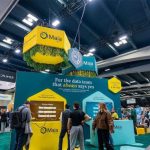
Based in Los Angeles and working nationwide, RCS Custom Exhibits specializes in building custom pop up activation shops, stands and displays to create interactive experiences between people and products for major shopping malls, sporting events, and festivals. Whatever idea you might have, we will work to make it happen. Check out our Brand Activation Portfolio here and a few examples below.
Looking For Brand Activation Services?
Call our Expert at (323) 422-3629 or Email us


References
[1] – https://www.attnagency.com/blog/sampling-program-marketing-strategies-cpg[2] – https://www.activateexp.com/blog/activation-effectiveness-metrics
[3] – https://www.mozeus.com/how-to-measure-brand-activation-roi/
[4] – https://www.greenbook.org/insights/advertising-and-marketing-research/best-practices-for-measuring-experiential-brand-activations